

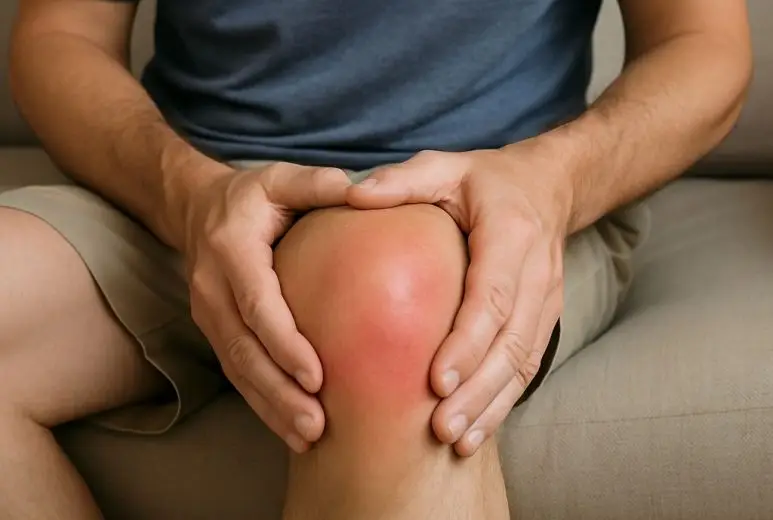
How Long Can Your Joints Really Last?
Your knees have carried you through every walk you’ve taken since childhood. Your hips have held you up through decades of standing, sitting, climbing, and running. Your shoulders have lifted, reached, and carried more times than you could ever count.
So naturally, the question comes up: how long can joints actually last? Are they built to outlive us, or are they on a ticking clock?
The honest answer is: it depends far more on you than on your age.
Joints Are Not Designed to “Expire” But They Do Wear
Unlike a car part with a fixed shelf life, your joints don’t come with an expiration date. They are living tissue capable of adapting, healing, and even strengthening over time, provided they are cared for properly.
What actually happens with age is gradual wear of cartilage, the smooth tissue that cushions your bones and allows pain-free movement. This natural wear is called osteoarthritis, and to some degree, it affects almost everyone eventually.
But here’s the part most people don’t realise: how fast that wear happens is largely in your control.
What Determines How Long Your Joints Last
Body Weight
Every extra kilogram of body weight adds significant pressure on weight-bearing joints like the knees and hips. Research shows that for every 1 kg of excess weight, your knees experience roughly 4 kg of additional pressure with each step. Over years, this accelerates cartilage wear dramatically.
Activity Levels Too Little or Too Much
A sedentary lifestyle weakens the muscles that support your joints, making them more vulnerable to injury and wear. On the other end, excessive high-impact activity without proper form or recovery can also speed up joint damage.
The sweet spot is regular, moderate, joint-friendly movement, not none, and not excessive.
Muscle Strength Around the Joint
Your joints don’t work alone. They are supported by surrounding muscles and ligaments. Strong quadriceps, for instance, significantly reduce stress on the knee joint. Weak supporting muscles force the joint to absorb more load than it should.
Old Injuries Left Untreated
A ligament tear, a fracture, or even a “minor” sprain that wasn’t properly treated in your twenties can come back to affect joint health decades later. Untreated injuries often lead to abnormal joint mechanics, which accelerate long-term wear.
Genetics
Some people are simply predisposed to stronger or weaker joint structures. While you cannot change your genetics, knowing your family history helps you take preventive steps earlier.
Posture and Daily Habits
Sitting cross-legged for hours, squatting on the floor repeatedly, sitting with poor posture at a desk these everyday habits, repeated over years, place uneven stress on joints and contribute to long-term damage.
So How Long Can Joints Actually Last?
With good care, your joints can comfortably last a lifetime genuinely, for 70, 80, even 90+ years without requiring major intervention.
Without proper care, however, joint degeneration can begin showing noticeable symptoms as early as the 30s and 40s, particularly in weight-bearing joints like the knees.
The difference is not luck. It is consistent, informed care over time.
Early Warning Signs Your Joints Need Attention
Stiffness, especially in the morning or after sitting for long periods. Clicking, popping, or grinding sensations during movement. Mild swelling after activity. Reduced range of motion compared to before. Pain that increases with stairs, squatting, or prolonged standing.
These signs do not mean your joints are “failing.” They mean your joints are asking for support and the earlier you respond, the better the long-term outcome.
How to Help Your Joints Last Longer
Maintain a healthy weight. This single factor has one of the biggest impacts on joint longevity, especially for knees and hips.
Stay consistently active. Low-impact exercises like walking, swimming, and cycling keep joints lubricated and muscles strong without excessive strain.
Strengthen the muscles around your joints. Targeted strength training protects joints by reducing the direct load they bear.
Treat injuries properly and promptly. Never ignore a sprain or persistent joint pain, assuming it will resolve on its own.
Mind your posture and daily movement patterns. Small adjustments in how you sit, stand, and move add up significantly over decades.
Get regular checkups, especially after 40. Early detection of joint changes allows for far simpler, more effective interventions.
Eat joint-friendly nutrients. Calcium, Vitamin D, and omega-3 fatty acids support bone strength and reduce inflammation.
When Should You See an Orthopedic Specialist?
If joint pain or stiffness persists for more than a few weeks, interferes with daily activities, or is accompanied by swelling, instability, or a noticeable reduction in movement, it’s time to consult a specialist.
The earlier joint issues are evaluated, the more treatment options remain available often avoiding the need for major surgical intervention later.
A Word From Dr. Susheel Soni
“Patients often ask me if joint pain is simply an inevitable part of ageing. My answer is always the same ageing affects joints, yes, but how much it affects them is largely determined by the choices made years before symptoms even appear. The patients I see ageing gracefully, joint-wise, are almost always the ones who stayed active, maintained healthy weight, and addressed injuries early rather than ignoring them.”
Your Joints Are Built to Last If You Help Them
Your joints have already carried you through decades of life. With the right care, they can continue doing so for decades more.
If you’ve been experiencing joint pain, stiffness, or simply want a preventive evaluation, don’t wait for it to worsen.
Book a consultation with Dr. Susheel Soni, Indore and take the first step toward joints that last a lifetime.