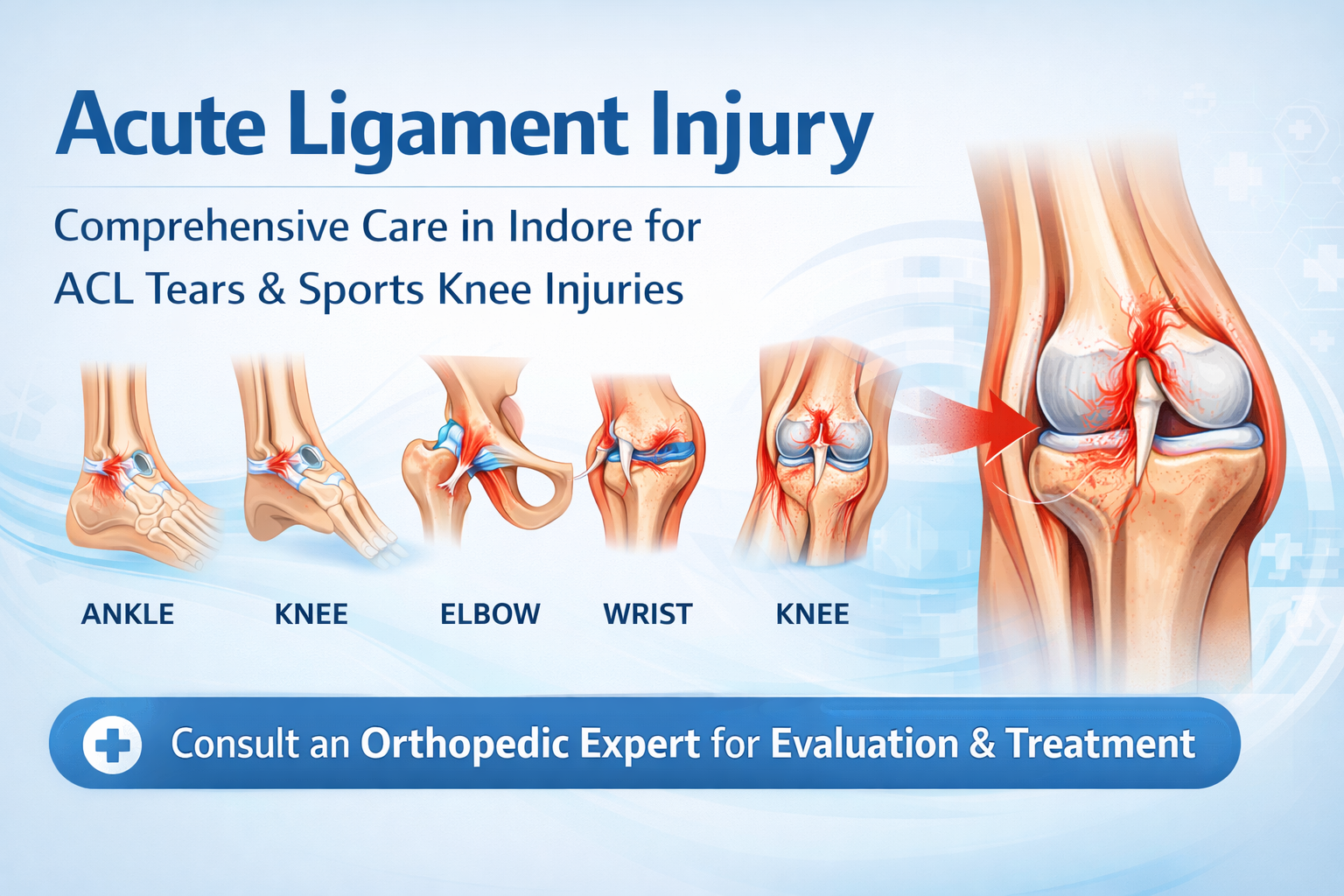
Ligament injuries are one of the most common problems seen in orthopedic practice. They can happen to anyone — a young athlete during a match, a working professional during a workout, or even an older adult after a simple fall at home.
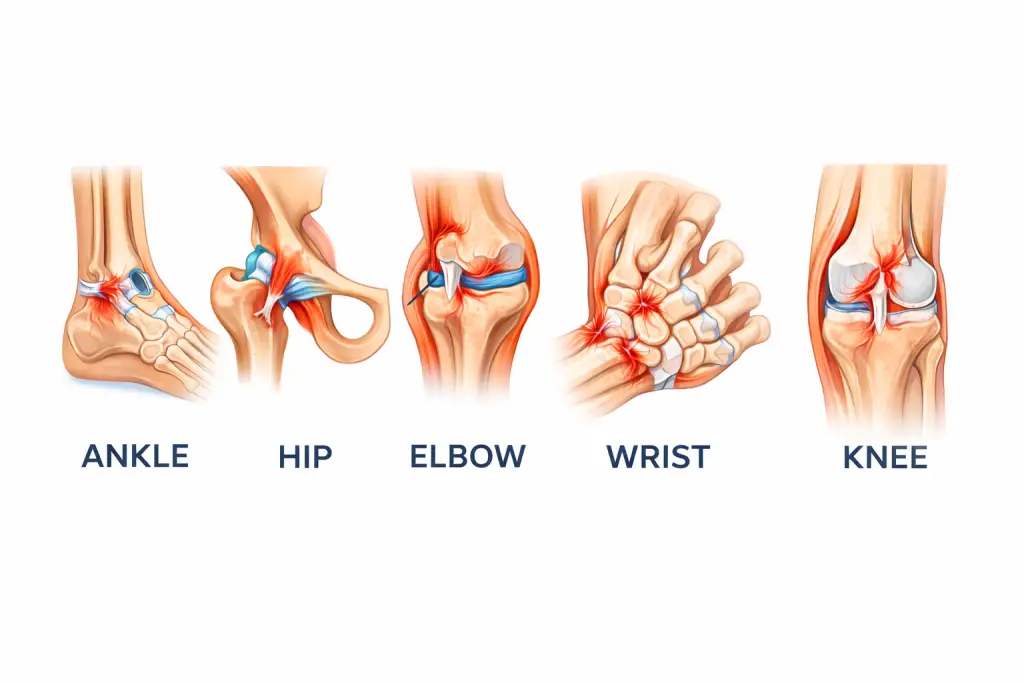
A sudden twist of the knee, a wrong landing while jumping, or a road accident can cause an acute ligament injury. These injuries not only cause pain and swelling but can also affect your ability to walk, run, or perform daily activities comfortably.
Among all ligament injuries, ACL (Anterior Cruciate Ligament) tear is one of the most frequently discussed, especially in sports persons. However, ACL and other ligament injuries are not limited to athletes. They can occur at any age.
In this detailed guide, we will understand:
this detailed guide, we will understand:
- What an acute ligament injury is
- Its causes and symptoms
- Types of ligament injuries
- ACL injury in sports persons
- ACL injury in older adults
- ACL with meniscus tear
- Diagnosis and treatment options
- Recovery and prevention
Let’s begin.
What Is an Acute Ligament Injury?
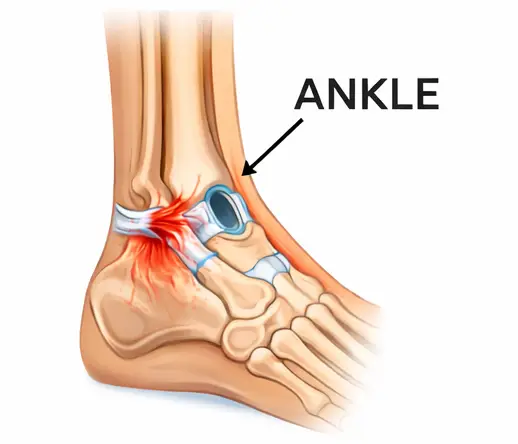
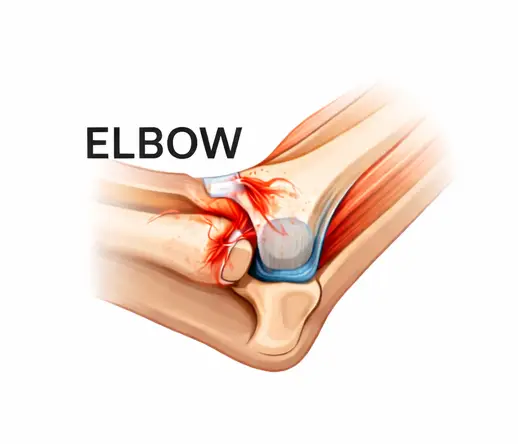
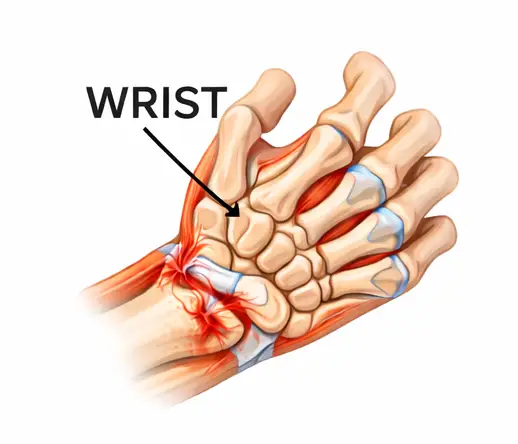
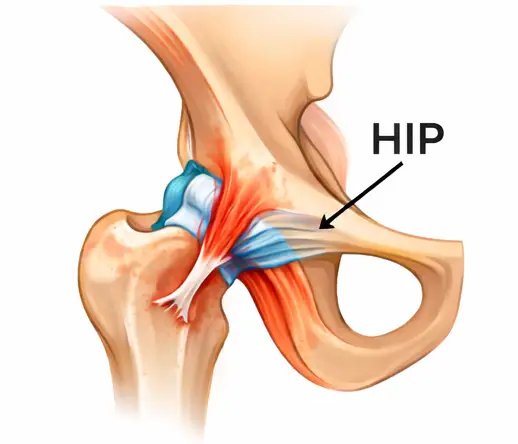
An acute ligament injury occurs when a ligament suddenly stretches or tears due to trauma. This usually happens during sports activities, falls, sudden twisting movements, or accidents.
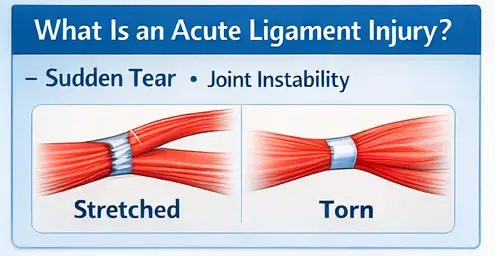
Ligaments are strong bands of tissue that connect one bone to another and help stabilize joints. When too much force is applied, the ligament may get overstretched or completely torn.
Common signs include:
- Sudden pain
- Swelling
- Difficulty in movement
- Feeling of instability in the joint
Early evaluation by an orthopedic specialist is important to prevent long-term damage and joint instability.
Causes of Acute Ligament Injury
Ligament injuries often occur due to sudden or forceful movements. High-impact sports are a major cause, but daily life accidents can also result in tears.
Common Causes Include:
- Sudden direction change while running
- Jumping and landing incorrectly
- Direct blow or collision to the knee
- Slipping on wet or uneven surfaces
- Road traffic accidents
- Age-related weakening of tissues
Sports like football, cricket, basketball, badminton, and kabaddi have a higher risk of ACL injuries because they involve rapid turning, pivoting, and jumping movements. In older adults, ligaments become less flexible with age, making them more vulnerable even with minor trauma.
Types of Ligament Injuries
Ligament injuries are classified into three grades depending on their severity. This grading helps doctors decide the best treatment plan.
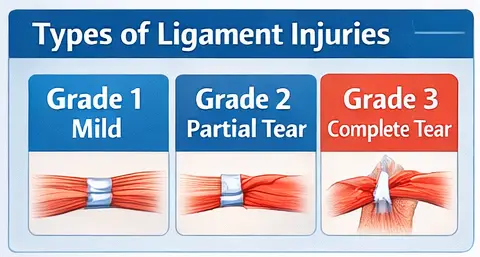
Grade 1 (Mild Injury)
The ligament is stretched but not torn.
There may be mild pain and swelling.
The joint remains stable.
Most patients recover with rest and physiotherapy.
Grade 2 (Partial Tear)
Some ligament fibers are torn.
Pain and swelling are moderate.
There may be slight instability.
Movement becomes uncomfortable and limited.
Grade 3 (Complete Tear)
The ligament is completely ruptured.
The joint feels unstable or “gives way.”
Swelling is significant.
Walking and weight-bearing become difficult.
A proper clinical examination and MRI scan help confirm the grade of injury.
Understanding ACL Injury (Anterior Cruciate Ligament)
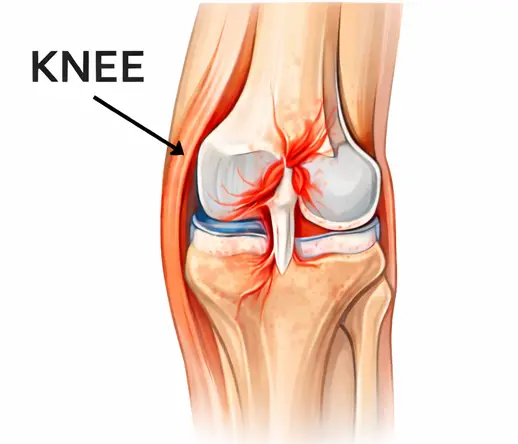
The ACL is one of the most important ligaments in the knee joint. It controls forward movement and rotational stability of the knee.
When the ACL tears, patients often describe hearing or feeling a “pop” sound. This is followed by rapid swelling and difficulty walking.
Common symptoms of ACL injury include:
- Sudden knee swelling
- Pain while walking
- Feeling of instability
- Difficulty in running or turning
If left untreated, ACL injuries can lead to long-term knee problems.
ACL Injury in Sports Persons
ACL injury is very common among athletes. Sports require sudden changes in direction, quick stops, jumping, and pivoting — all of which put extreme pressure on the knee.
Athletes usually experience:
- Immediate swelling
- Severe pain
- Inability to continue playing
- Knee giving way
For professional or active sports persons, early and proper treatment is essential. Without treatment, performance may decline and the risk of further knee damage increases.
Treatment in Athletes
Most active individuals with a complete ACL tear require ACL reconstruction surgery.
This is usually performed using arthroscopy (keyhole surgery), which involves:
- Small incisions
- Less pain
- Faster recovery
- Minimal hospital stay
With proper rehabilitation, most athletes return to sports within 6–9 months.
ACL Injury in Older Age
ACL injuries are not limited to young athletes. Older adults can also experience ACL tears, especially after falls.
With aging:
- Ligaments lose elasticity
- Muscles weaken
- Balance may reduce
Even a simple slip can cause a significant ligament injury.
Treatment depends on:
- Activity level
- Severity of instability
- Overall health condition
For less active elderly patients, conservative treatment (brace + physiotherapy) may be sufficient. However, active individuals with repeated instability may benefit from surgery.
Age alone should not decide treatment — lifestyle and functional demands matter more.
ACL and Meniscus Tear Together
In many cases, ACL injury is accompanied by a meniscus tear.
The meniscus is a cartilage cushion inside the knee that absorbs shock. When a twisting injury occurs, it can damage both the ACL and the meniscus at the same time.
Symptoms of combined ACL and meniscus injury include:
- Severe swelling
- Locking sensation
- Clicking sound
- Restricted movement
- Difficulty straightening the knee
If not treated early, this combination increases the risk of early osteoarthritis.
Arthroscopic surgery allows doctors to repair or trim the torn meniscus along with ACL reconstruction.
Diagnosis of Acute Ligament Injury
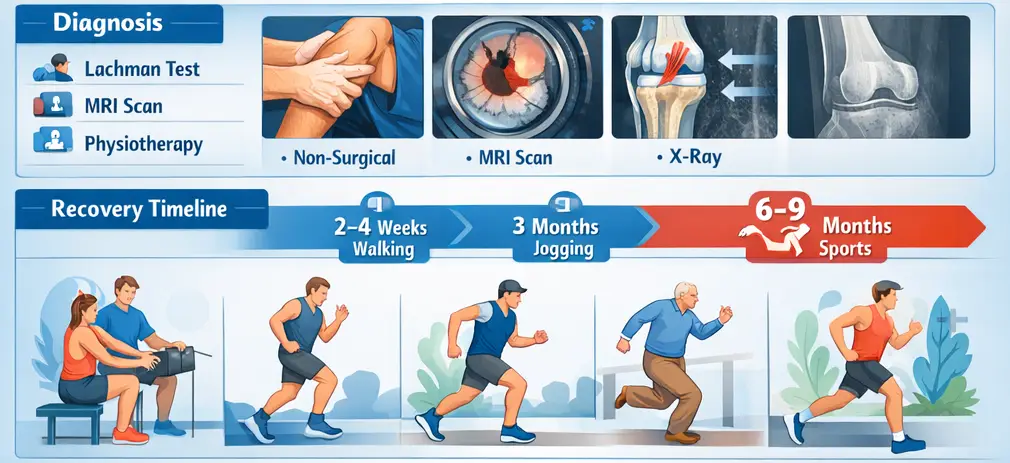
Accurate diagnosis is very important to plan the right treatment.
1. Clinical Examination
An orthopedic specialist performs specific tests such as:
- Lachman test
- Anterior Drawer test
- Pivot Shift test
These tests check ligament stability.
2. MRI Scan
MRI is the gold standard for diagnosing ligament and meniscus injuries.
It shows the extent of tear and associated cartilage damage.
3. X-ray
X-rays help rule out fractures or bone injuries.
Early diagnosis improves recovery and reduces complications.
Best Treatment Options for Acute Ligament Injury
Treatment depends on:
- Grade of injury
- Age
- Activity level
- Severity of instability
1. Conservative Treatment
Recommended for:
- Grade 1 injuries
- Some Grade 2 injuries
- Low-demand elderly patients
It includes:
- RICE therapy (Rest, Ice, Compression, Elevation)
- Knee brace
- Pain medications
- Structured physiotherapy
2. Surgical Treatment (ACL Reconstruction)
Recommended for:
- Complete ACL tear
- Recurrent knee instability
- Active individuals
During surgery, the torn ligament is replaced with a graft.
Common graft options:
- Hamstring tendon graft
- Patellar tendon graft
- Quadriceps tendon graft
Arthroscopic ACL reconstruction provides stable and long-term results when combined with proper rehabilitation.
Rehabilitation and Recovery
Rehabilitation is one of the most important parts of treatment.
Physiotherapy focuses on:
- Reducing swelling
- Improving knee range of motion
- Strengthening muscles
- Restoring balance and stability
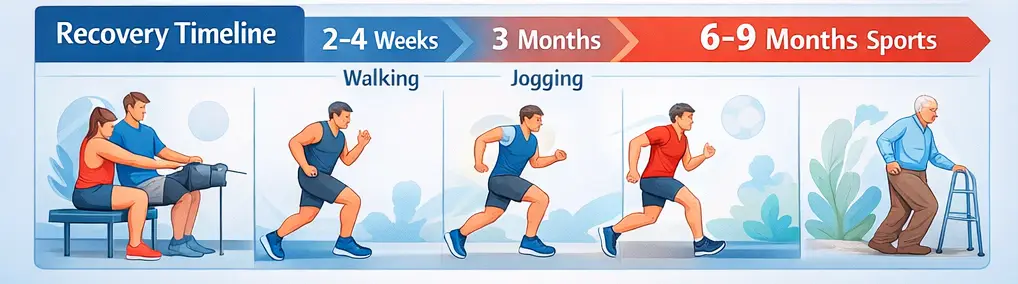
Recovery Timeline (Approximate)
- Walking without support: 2–4 weeks
- Light jogging: Around 3 months
- Return to sports: 6–9 months
Every patient’s recovery time may vary depending on commitment to physiotherapy.
Complications If Left Untreated
Ignoring a ligament injury can lead to serious long-term problems.
Possible complications include:
- Chronic knee instability
- Repeated episodes of giving way
- Meniscus damage
- Cartilage wear
- Early osteoarthritis
Timely treatment prevents permanent joint damage.
Prevention Tips
Prevention is always better than treatment.
For Athletes:
- Proper warm-up before sports
- Strength training for thigh muscles
- Balance and neuromuscular exercises
- Correct sports technique
- Wearing proper footwear
For Older Adults:
- Regular muscle-strengthening exercises
- Maintaining a healthy body weight
- Using support while walking on slippery surfaces
- Improving home safety to prevent falls
Taking small preventive steps can protect your joints in the long run.
Conclusion
An acute ligament injury, especially an ACL tear, is a serious condition that should not be ignored.
It can affect:
- A young athlete
- A working professional
- Or an elderly individual
The key to successful recovery is:
- Early diagnosis
- Correct treatment
- Proper rehabilitation
With timely care and a structured recovery plan, most people can return to their normal activities safely.
If you are experiencing knee swelling, instability, or locking, do not delay. For expert evaluation, consult Dr. Susheel Soni – Orthopedic Surgeon in Indore and make your knee strong and stable.
Your knee health is important — don’t ignore the warning signs.